
About This Architecture
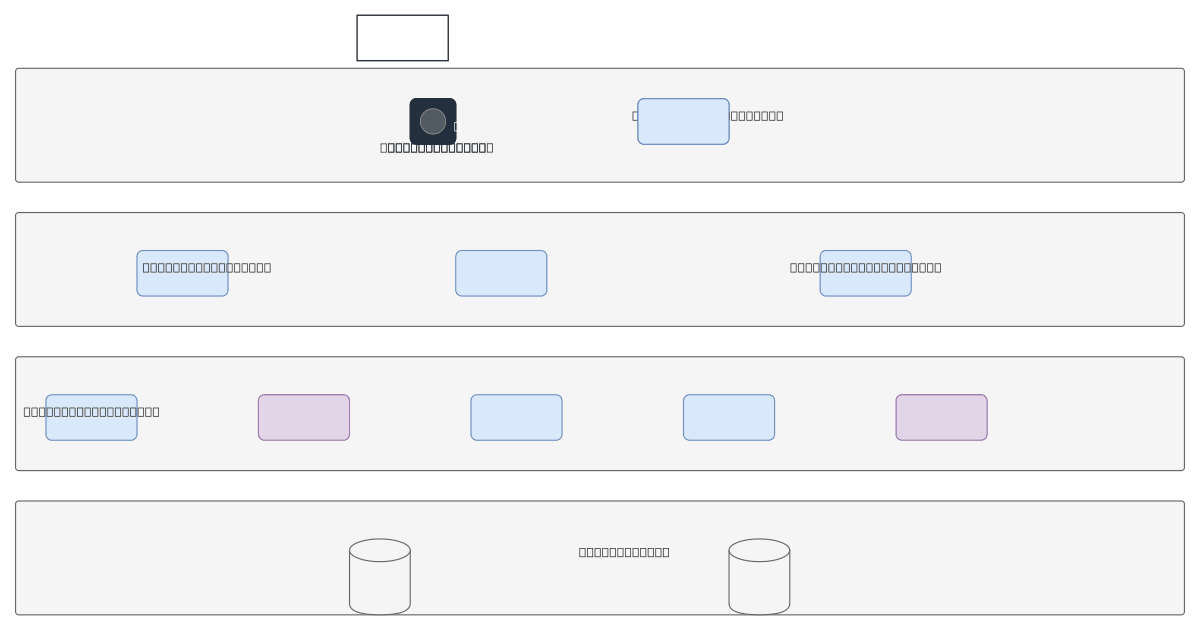
Digital Cardiac Twin System Architecture orchestrates patient data through a four-layer sequence: User Interface (Web/Chat), Application (Data Input, Preprocessing, Visualization), AI/Model (Graph Neural Networks, Prediction, Simulation), and Data (Heart Disease Dataset, User Storage). Data flows from patient interaction through preprocessing and graph construction into GNN-based prediction and simulation engines that generate personalized digital twins. This architecture demonstrates how graph neural networks can model complex cardiac pathways and enable real-time clinical simulations for risk stratification and treatment planning. Fork this diagram on Diagrams.so to customize layer components, add external APIs, or integrate EHR systems for your healthcare deployment. The three-phase sequence (User Interaction → Data Processing → AI Twin Generation) ensures clean separation of concerns and supports asynchronous model updates without blocking user interactions.