DEV Cluster Topology - ep3-quantax-dev

GCPNetworkintermediate
DEV Cluster Topology - ep3-quantax-dev — GCP network diagram

About This Architecture

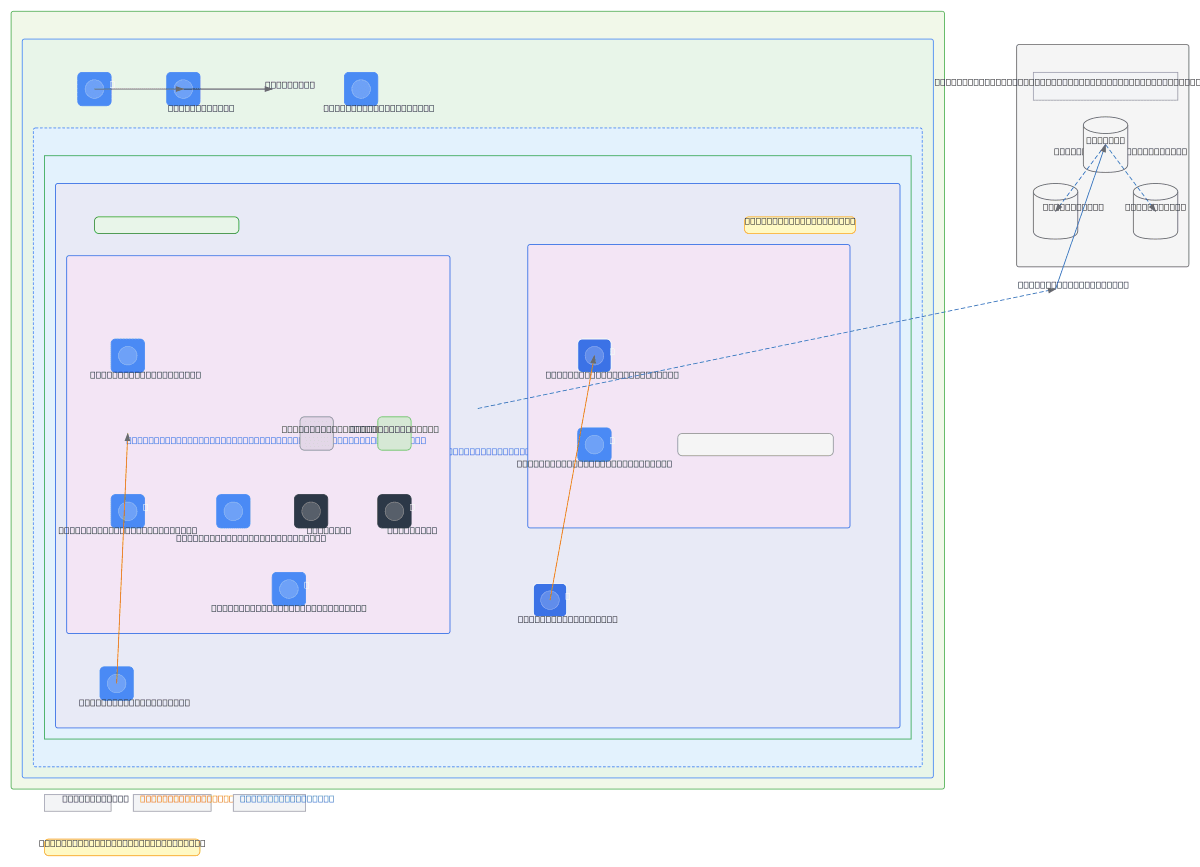
Private GKE cluster ep3-quantax-dev in GCP runs a multi-node topology with segregated node pools for API gateways and Redpanda brokers, secured by Cloud NAT egress-only networking and a private control plane. Traffic flows through NGINX Gateway Fabric ingress to Kilkenny API and Admin gateways, with ClusterIP services routing to Redpanda Broker 1 and external MongoDB Atlas via Private Service Connect. This architecture demonstrates GCP best practices for zero-public-IP Kubernetes deployments with hard taints enforcing workload isolation and cost-optimized single-zone HA in development environments. Fork and customize this topology on Diagrams.so to adapt node machine types, CIDR ranges, or add multi-zone resilience for production. The 50 GB pd-standard boot disks and n2-standard-4 instances reflect typical dev-tier resource allocation at ~$603/month.

People also ask

How do you design a private GKE cluster with no public node IPs and segregated workloads using node pool taints?

This diagram shows ep3-quantax-dev: a private GKE cluster using Cloud NAT for egress-only connectivity, Cloud Router for DNS, and two tainted node pools—np-default with PREFER_NO_SCHEDULE and np-redpanda with hard NO_SCHEDULE—to isolate API gateways from Redpanda brokers. External data access flows through MongoDB Atlas via Private Service Connect, while NGINX Gateway Fabric handles ingress routin

GCPKubernetesGKEnetworkingprivate-clusterRedpanda
Domain:
Kubernetes
Audience:
GCP platform engineers and Kubernetes cluster operators managing private GKE deployments

Generated by Diagrams.so — AI architecture diagram generator with native Draw.io output. Fork this diagram, remix it, or download as .drawio, PNG, or SVG.

Generate your own network diagram →

About This Architecture

Private GKE cluster ep3-quantax-dev in GCP runs a multi-node topology with segregated node pools for API gateways and Redpanda brokers, secured by Cloud NAT egress-only networking and a private control plane. Traffic flows through NGINX Gateway Fabric ingress to Kilkenny API and Admin gateways, with ClusterIP services routing to Redpanda Broker 1 and external MongoDB Atlas via Private Service Connect. This architecture demonstrates GCP best practices for zero-public-IP Kubernetes deployments with hard taints enforcing workload isolation and cost-optimized single-zone HA in development environments. Fork and customize this topology on Diagrams.so to adapt node machine types, CIDR ranges, or add multi-zone resilience for production. The 50 GB pd-standard boot disks and n2-standard-4 instances reflect typical dev-tier resource allocation at ~$603/month.

People also ask

How do you design a private GKE cluster with no public node IPs and segregated workloads using node pool taints?

This diagram shows ep3-quantax-dev: a private GKE cluster using Cloud NAT for egress-only connectivity, Cloud Router for DNS, and two tainted node pools—np-default with PREFER_NO_SCHEDULE and np-redpanda with hard NO_SCHEDULE—to isolate API gateways from Redpanda brokers. External data access flows through MongoDB Atlas via Private Service Connect, while NGINX Gateway Fabric handles ingress routin

DEV Cluster Topology - ep3-quantax-dev

GCPintermediateKubernetesGKEnetworkingprivate-clusterRedpanda
Domain: KubernetesAudience: GCP platform engineers and Kubernetes cluster operators managing private GKE deployments
0 views0 favoritesPublic

Created by

May 11, 2026

Updated

May 11, 2026 at 8:47 PM

Type

network

Need a custom architecture diagram?

Describe your architecture in plain English and get a production-ready Draw.io diagram in seconds. Works for AWS, Azure, GCP, Kubernetes, and more.

Generate with AI