
About This Architecture
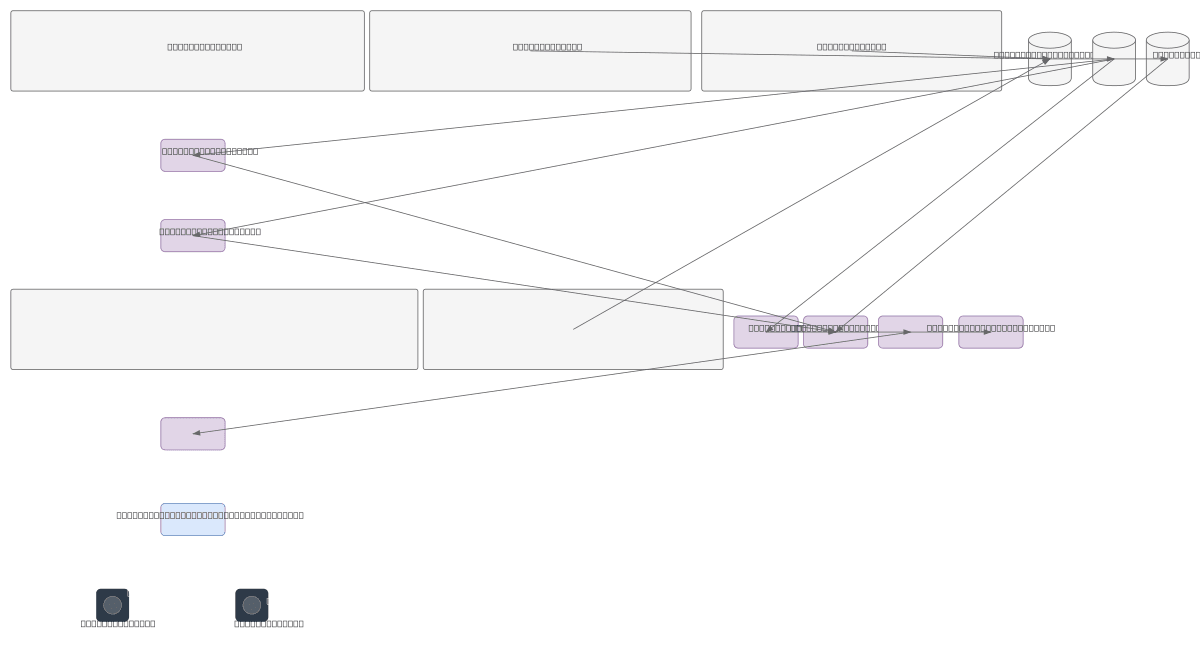
Crime pattern prediction system ingesting batch datasets (Chicago Crime, UCR, NYPD) and real-time sources (Kafka, Live Crime Feed API, IoT sensors) through parallel preprocessing and stream processing pipelines. Data flows through feature engineering (temporal, spatial, categorical) into PostgreSQL, Data Warehouse, and Redis Cache, feeding four specialized ML models: Random Forest for crime type classification, Gradient Boosting for risk scoring, LSTM for temporal patterns, and DBSCAN for hotspot detection. The Flask backend API with JWT/OAuth authentication serves predictions to a frontend crime map and dashboard, with WAF and CDN protecting the presentation layer for police officers and crime analysts. This architecture demonstrates best practices for combining batch and streaming data, feature engineering at scale, and multi-model ensemble inference in public safety applications. Fork and customize this diagram on Diagrams.so to adapt it for your jurisdiction's data sources, model choices, or deployment infrastructure.