
About This Architecture
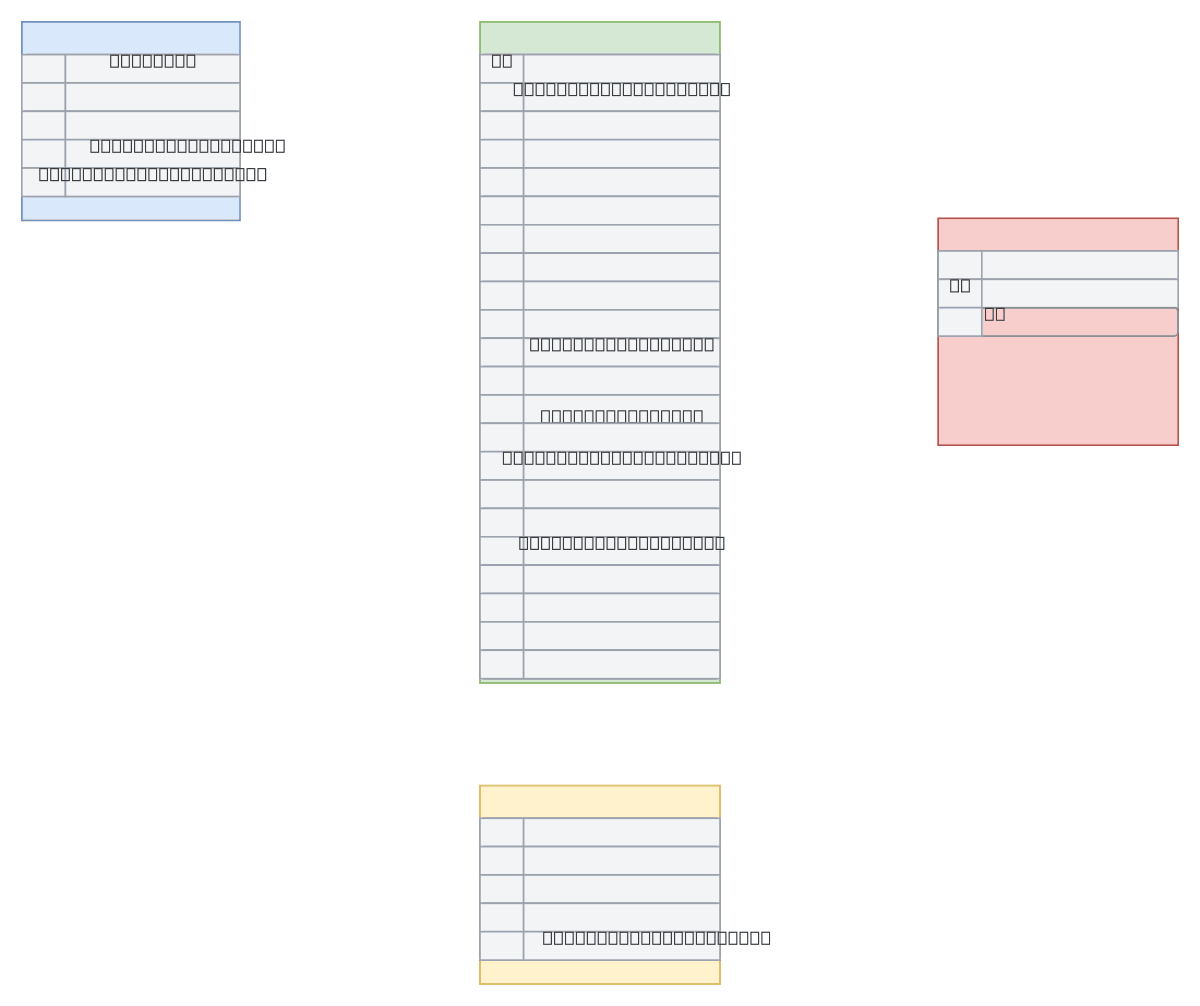
Entity-relationship diagram modeling a resident management system with four core tables: staff, residents, family_relationships, and activity_log. The schema captures staff authentication and audit trails via staff credentials and activity logging, while the residents table maintains comprehensive demographic, socioeconomic, and household data including age, civil status, PWD and senior citizen flags, and educational attainment. Family relationships are tracked through a junction table linking residents as relatives with relationship type descriptors, enabling multi-generational household mapping. This ERD demonstrates best practices for normalized database design in civic/social services applications, separating concerns across authentication, demographics, relational data, and audit trails to support queries on vulnerable populations and household composition.