
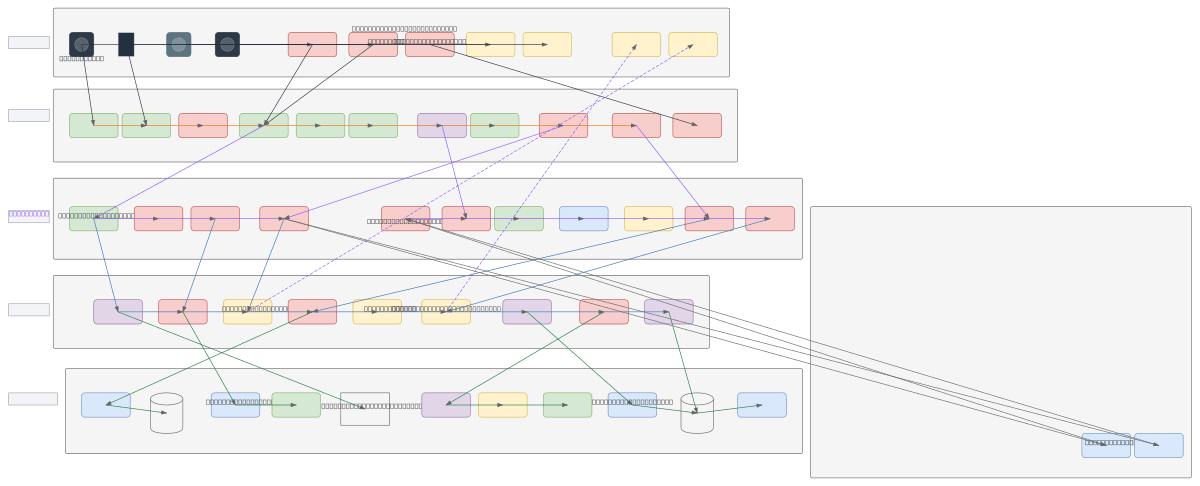
About This Architecture
Zero-trust network access (ZTNA) and secure access service edge (SASE) architecture unifies identity verification, endpoint posture checks, and multi-layer threat protection across remote users, mobile devices, managed laptops, and IoT endpoints. Traffic flows through an identity and endpoint tier for authentication and device compliance, then through a SASE cloud security stack delivering DNS filtering, web gateway, CASB, DLP, threat protection, and sandboxing before reaching protected resources on-premises, in cloud, or SaaS. A zero-trust policy engine continuously evaluates risk scores, enforces micro-segmentation, and orchestrates access decisions based on identity, device posture, and behavioral analytics. This architecture eliminates implicit trust, reduces attack surface, and ensures least-privilege access regardless of user location or device type. Fork this diagram on Diagrams.so to customize policies, add provider-specific gateways, or integrate your identity and threat intelligence platforms. Advanced deployments may layer SD-WAN gateways, next-gen firewalls, and DDoS protection for hybrid and multi-cloud environments.