Azure Zero Trust Network Architecture
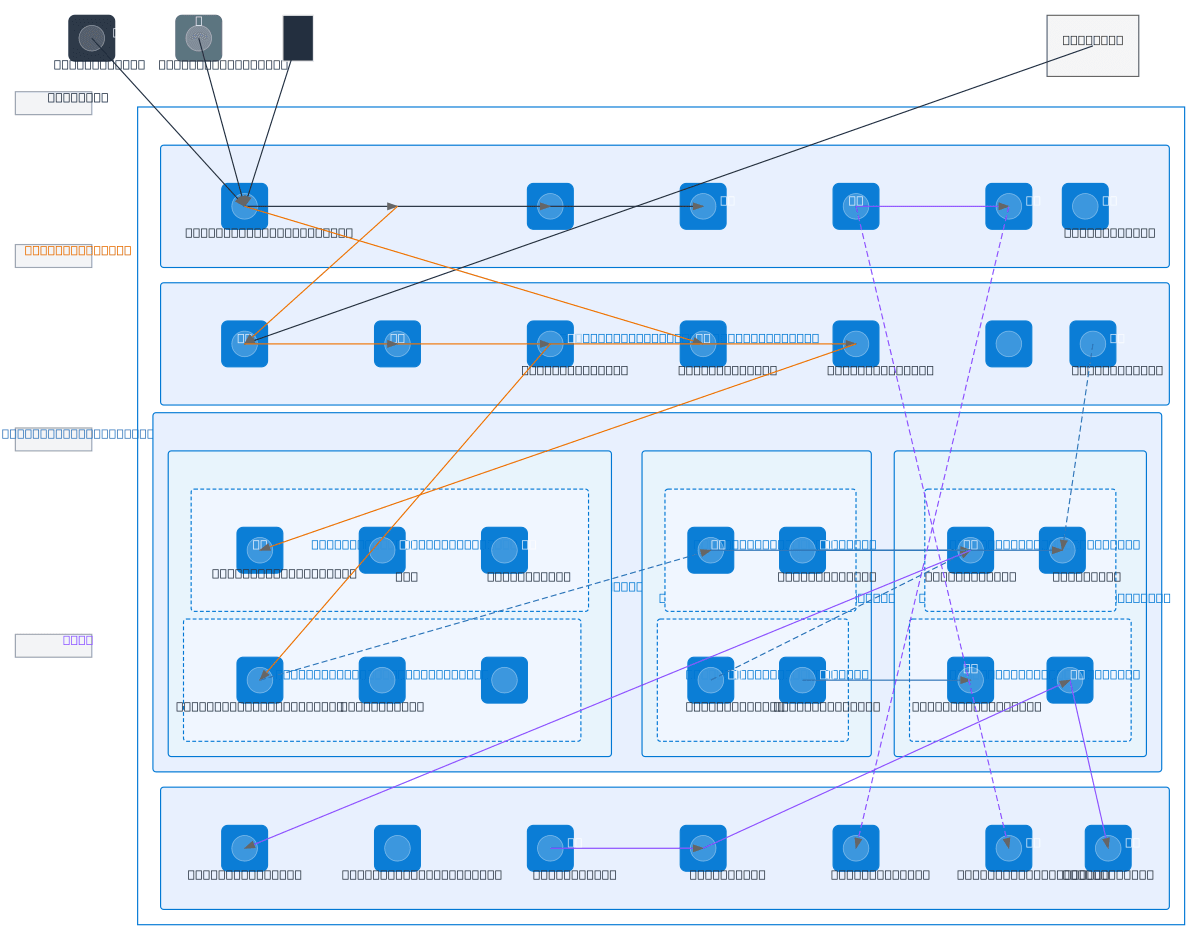
About This Architecture
Azure Zero Trust Network Architecture implements identity-first security across remote users, corporate devices, and mobile endpoints through Azure Active Directory, Conditional Access, and Managed Identity. Traffic flows from Internet through Azure Front Door, WAF Policy, and API Management to hub-and-spoke VNets (10.0.0.0/16 hub, 10.1.0.0/16 app spoke, 10.2.0.0/16 data spoke) with NSGs, Azure Firewall, and Private Link enforcing microsegmentation. AKS Clusters, Function Apps, Container Apps, and data services (SQL Database, Cosmos DB, Data Lake Storage, Synapse Analytics) authenticate via Managed Identity and Key Vault, while Microsoft Sentinel and Azure Monitor provide unified threat detection and compliance logging. This architecture eliminates implicit trust, enforces least-privilege access at every layer, and centralizes identity and network controls across resource groups. Fork and customize this diagram on Diagrams.so to adapt hub-spoke topology, add ExpressRoute for hybrid connectivity, or adjust NSG rules for your workload.
People also ask
How do I design a zero-trust network architecture on Azure with hub-spoke VNets and identity-based access control?
This diagram shows a complete Azure zero-trust design where all users (remote, corporate, mobile) authenticate via Azure AD and Conditional Access before accessing hub-spoke VNets. Traffic is inspected by Azure Front Door, WAF, API Management, and Azure Firewall; workloads authenticate using Managed Identity and Key Vault; and data services enforce Private Link and NSG rules. Microsoft Sentinel an
- Domain:
- Security
- Audience:
- Security architects designing zero-trust network architectures on Azure
Generated by Diagrams.so — AI architecture diagram generator with native Draw.io output. Fork this diagram, remix it, or download as .drawio, PNG, or SVG.
