
About This Architecture
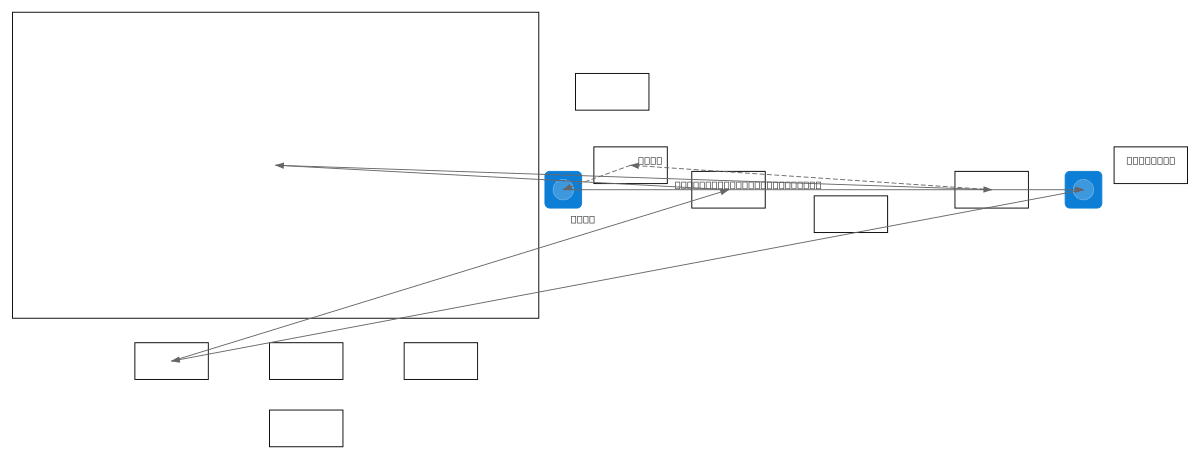
Azure Privileged Identity Management (PIM) versus permanent access control flow demonstrates just-in-time role activation versus always-on role assignment. PIM flow routes user authentication through Azure AD/Entra ID to Azure PIM, where approvers validate requests before time-bound role activation with automatic access expiration and audit logging to Azure Monitor. Permanent access assigns roles directly without expiration, creating persistent security risks and compliance violations. This architecture illustrates why PIM reduces attack surface and enforces least-privilege access compared to legacy permanent role models. Fork this diagram to customize approval workflows, add conditional access policies, or integrate with your organization's governance framework.