
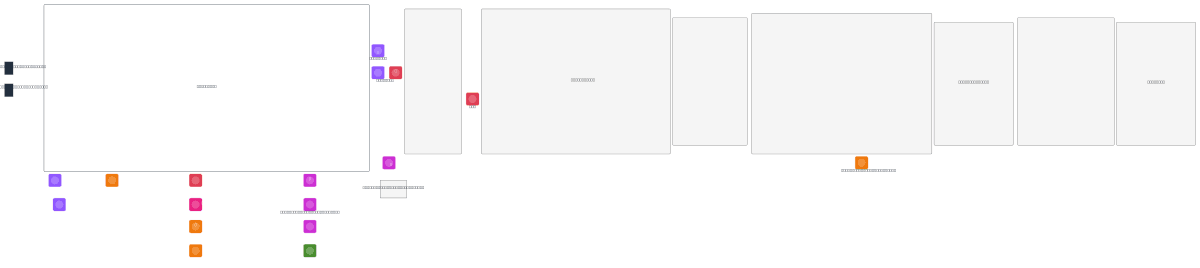
About This Architecture
Multi-AZ real-time AI voice assistant on AWS combines WebRTC streaming via LiveKit, speech-to-text/text-to-speech via Cascade Agent, and LLM orchestration through Bedrock and Step Functions. Traffic flows from mobile and automotive clients through Route 53 and WAF to dual NLBs and ALBs across two availability zones, with streaming workloads on EKS and AI orchestration on Fargate. State is persisted across MongoDB, PostgreSQL, Milvus vector database, and ElastiCache with cross-AZ replication for high availability. This architecture demonstrates enterprise-grade patterns for low-latency conversational AI: stateless compute layers, distributed session management, vector search for context retrieval, and comprehensive observability via CloudWatch and CloudTrail. Fork and customize this diagram on Diagrams.so to adapt the topology for your voice assistant use case, adjust subnet sizing, or swap Bedrock for alternative LLMs.