ASL Recognition - 4-Pipeline ML Architecture

MULTIArchitectureadvanced
ASL Recognition - 4-Pipeline ML Architecture — MULTI architecture diagram

About This Architecture

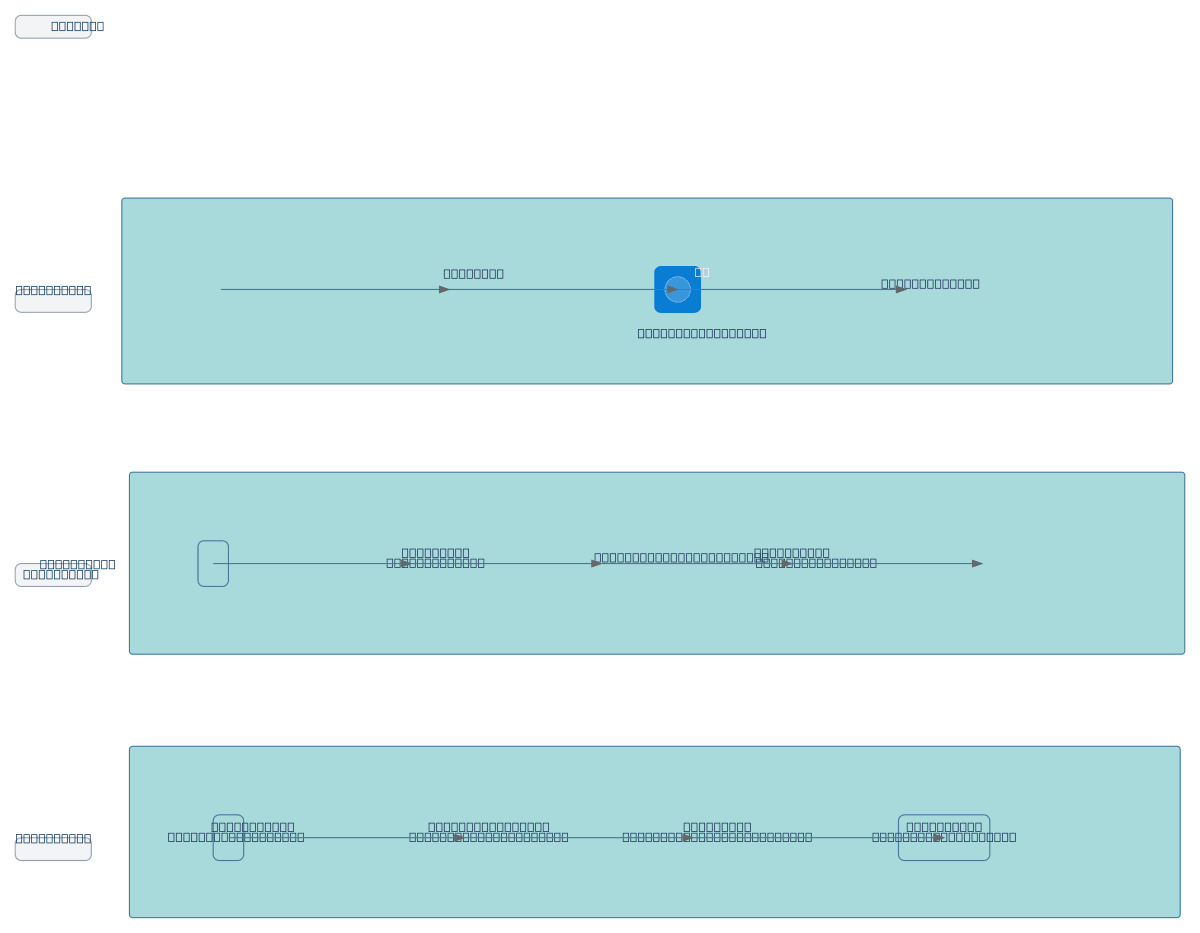
Four-pipeline American Sign Language recognition system combining data preprocessing, MobileNetV2 transfer learning on Azure ML, real-time MediaPipe hand detection, and Streamlit interface with text-to-speech output. The data pipeline ingests 87K ASL images from Kaggle, applies augmentation and ImageNet normalization, then feeds into a fine-tuned model achieving 98.41% accuracy on 29 sign classes. Real-time inference uses OpenCV webcam capture with MediaPipe keypoint extraction, 10-frame buffering, and phrase assembly via DEL/SPACE commands. The interface layer streams live video, displays recognized letters and words, synthesizes audio via gTTS, and retrieves sign definitions from an English dictionary API. Fork this diagram to customize data sources, swap MobileNetV2 for EfficientNet, integrate alternative TTS engines, or deploy on edge devices.

People also ask

How do you build a real-time American Sign Language recognition system with transfer learning and live video inference?

This diagram shows a four-pipeline approach: Pipeline 1 preprocesses 87K ASL images with augmentation and ImageNet normalization; Pipeline 2 fine-tunes MobileNetV2 on Azure ML GPU to 98.41% accuracy across 29 sign classes; Pipeline 3 captures webcam frames, extracts 21 hand keypoints via MediaPipe, buffers 10 frames, and assembles phrases; Pipeline 4 displays results in Streamlit with live video,

machine-learningcomputer-visiontransfer-learningreal-time-inferenceazure-mlstreamlit
Domain:
Ml Pipeline
Audience:
Machine learning engineers building real-time computer vision applications with transfer learning

Generated by Diagrams.so — AI architecture diagram generator with native Draw.io output. Fork this diagram, remix it, or download as .drawio, PNG, or SVG.

Generate your own architecture diagram →

About This Architecture

Four-pipeline American Sign Language recognition system combining data preprocessing, MobileNetV2 transfer learning on Azure ML, real-time MediaPipe hand detection, and Streamlit interface with text-to-speech output. The data pipeline ingests 87K ASL images from Kaggle, applies augmentation and ImageNet normalization, then feeds into a fine-tuned model achieving 98.41% accuracy on 29 sign classes. Real-time inference uses OpenCV webcam capture with MediaPipe keypoint extraction, 10-frame buffering, and phrase assembly via DEL/SPACE commands. The interface layer streams live video, displays recognized letters and words, synthesizes audio via gTTS, and retrieves sign definitions from an English dictionary API. Fork this diagram to customize data sources, swap MobileNetV2 for EfficientNet, integrate alternative TTS engines, or deploy on edge devices.

People also ask

How do you build a real-time American Sign Language recognition system with transfer learning and live video inference?

This diagram shows a four-pipeline approach: Pipeline 1 preprocesses 87K ASL images with augmentation and ImageNet normalization; Pipeline 2 fine-tunes MobileNetV2 on Azure ML GPU to 98.41% accuracy across 29 sign classes; Pipeline 3 captures webcam frames, extracts 21 hand keypoints via MediaPipe, buffers 10 frames, and assembles phrases; Pipeline 4 displays results in Streamlit with live video,

ASL Recognition - 4-Pipeline ML Architecture

Multiadvancedmachine-learningcomputer-visiontransfer-learningreal-time-inferenceazure-mlstreamlit
Domain: Ml PipelineAudience: Machine learning engineers building real-time computer vision applications with transfer learning
0 views0 favoritesPublic

Created by

April 26, 2026

Updated

April 26, 2026 at 2:58 AM

Type

architecture

Need a custom architecture diagram?

Describe your architecture in plain English and get a production-ready Draw.io diagram in seconds. Works for AWS, Azure, GCP, Kubernetes, and more.

Generate with AI