Akamai CDN - DNS and TLS Architecture Overview

GENERALArchitectureadvanced
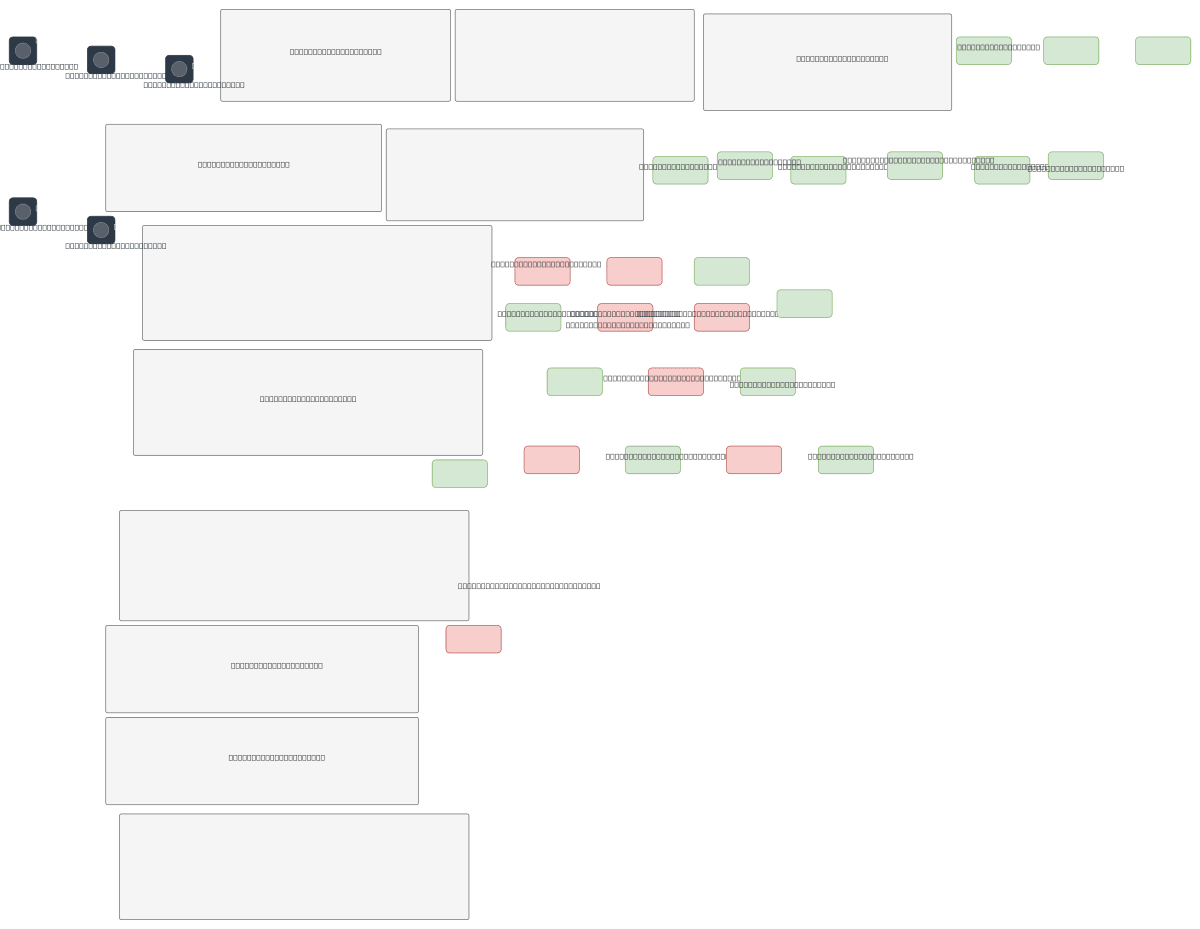
Akamai CDN - DNS and TLS Architecture Overview — GENERAL architecture diagram

About This Architecture

Akamai CDN architecture with DNS resolution, edge TLS termination, and origin re-encryption demonstrates a multi-layer security and performance model. End users query Akamai's authoritative DNS, which returns the nearest edge PoP IP via GeoDNS; clients establish TLS 1.3 sessions with Akamai Edge Nodes where WAF (Kona Site Defender) inspects decrypted traffic and cache evaluation occurs. Cache hits serve responses directly from the edge; cache misses trigger mTLS re-encryption to the origin over HTTPS, with inbound traffic restricted to Akamai IP ranges via firewall allowlist. This architecture separates client-facing certificates (Akamai-managed) from origin certificates (customer-managed CA), reducing certificate management overhead while maintaining end-to-end encryption. Fork and customize this diagram on Diagrams.so to model your CDN topology, certificate strategy, or WAF policies.

People also ask

How does Akamai CDN handle TLS encryption between clients, edge nodes, and origin servers?

Akamai CDN terminates client TLS 1.3 at edge PoPs using Akamai-managed certificates, inspects decrypted traffic via WAF, and re-encrypts to origin using mTLS or standard HTTPS. Origin certificates are customer-managed; inbound traffic is restricted to Akamai IP ranges via firewall allowlist.

AkamaiCDNTLSDNSedge-computingsecurity
Domain:
Cloud Multi
Audience:
CDN architects and security engineers implementing edge delivery with TLS termination

Generated by Diagrams.so — AI architecture diagram generator with native Draw.io output. Fork this diagram, remix it, or download as .drawio, PNG, or SVG.

Generate your own architecture diagram →

About This Architecture

Akamai CDN architecture with DNS resolution, edge TLS termination, and origin re-encryption demonstrates a multi-layer security and performance model. End users query Akamai's authoritative DNS, which returns the nearest edge PoP IP via GeoDNS; clients establish TLS 1.3 sessions with Akamai Edge Nodes where WAF (Kona Site Defender) inspects decrypted traffic and cache evaluation occurs. Cache hits serve responses directly from the edge; cache misses trigger mTLS re-encryption to the origin over HTTPS, with inbound traffic restricted to Akamai IP ranges via firewall allowlist. This architecture separates client-facing certificates (Akamai-managed) from origin certificates (customer-managed CA), reducing certificate management overhead while maintaining end-to-end encryption. Fork and customize this diagram on Diagrams.so to model your CDN topology, certificate strategy, or WAF policies.

People also ask

How does Akamai CDN handle TLS encryption between clients, edge nodes, and origin servers?

Akamai CDN terminates client TLS 1.3 at edge PoPs using Akamai-managed certificates, inspects decrypted traffic via WAF, and re-encrypts to origin using mTLS or standard HTTPS. Origin certificates are customer-managed; inbound traffic is restricted to Akamai IP ranges via firewall allowlist.

Akamai CDN - DNS and TLS Architecture Overview

AutoadvancedAkamaiCDNTLSDNSedge-computingsecurity
Domain: Cloud MultiAudience: CDN architects and security engineers implementing edge delivery with TLS termination
0 views0 favoritesPublic

Created by

May 5, 2026

Updated

May 5, 2026 at 2:38 PM

Type

architecture

Need a custom architecture diagram?

Describe your architecture in plain English and get a production-ready Draw.io diagram in seconds. Works for AWS, Azure, GCP, Kubernetes, and more.

Generate with AI