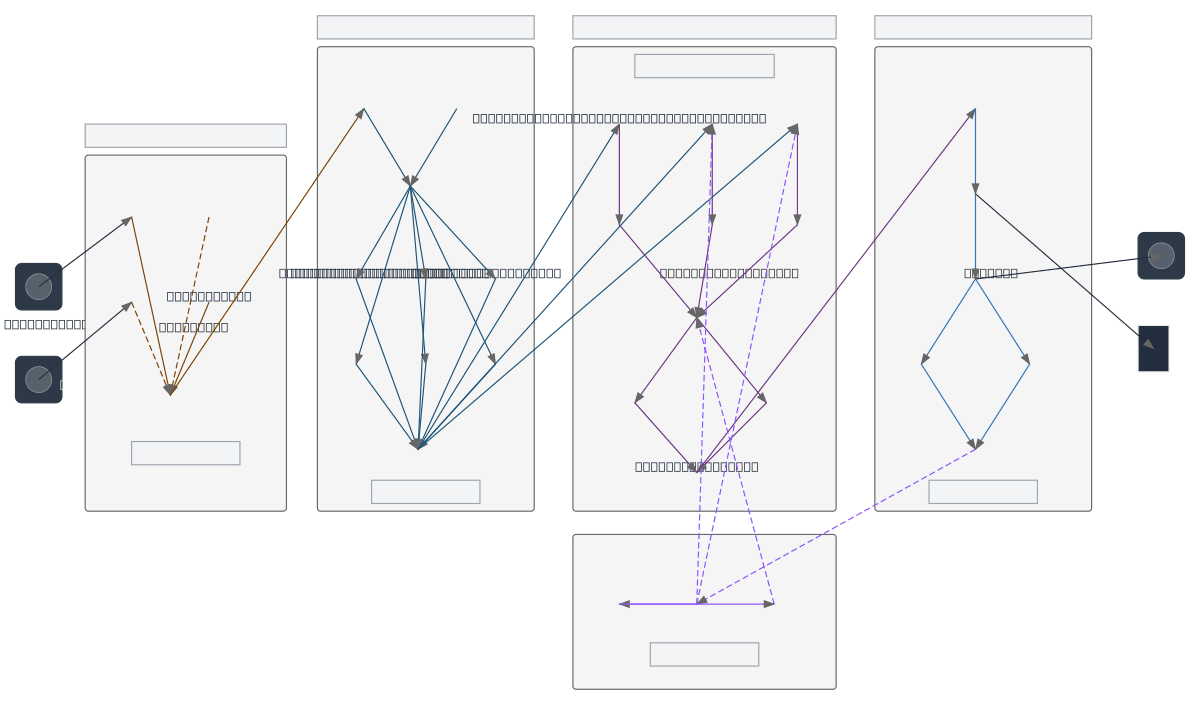
AI/ML Water Quality Monitoring Pipeline
About This Architecture
AI/ML water quality monitoring pipeline combines IoT sensor data with physics-based kinetic models and machine learning to predict contamination levels and classify water safety in real time. Raw sensor streams from fluorescence, chemical, and environmental sources flow through a medallion architecture—bronze ingestion, silver processing with noise filtering and normalization, and gold AI/ML fusion—where a hybrid model merges Random Forest regression and classification with kinetic analysis. The system outputs CFU/mL contamination estimates, water quality classifications, and confidence scores, then routes alerts through a real-time notification engine to water authorities and mobile endpoints. MLOps governance via MLflow and Unity Catalog ensures reproducible model training, registry management, and compliance across the entire pipeline.
People also ask
How do you build an end-to-end machine learning pipeline for water quality monitoring that combines IoT sensors with physics-based models and real-time alerts?
This diagram shows a medallion-architecture ML pipeline where IoT fluorescence, chemical, and environmental sensors feed into a bronze ingestion layer, then flow through silver processing (noise filtering, normalization, missing value handling) and into a gold AI/ML stage. A hybrid model fuses Random Forest regression and classification with kinetic analysis to output CFU/mL contamination estimate
- Domain:
- Ml Pipeline
- Audience:
- ML engineers and data scientists building production water quality monitoring systems
Generated by Diagrams.so — AI architecture diagram generator with native Draw.io output. Fork this diagram, remix it, or download as .drawio, PNG, or SVG.