AI Predictive Traffic System Architecture

GENERALArchitectureadvanced
AI Predictive Traffic System Architecture — GENERAL architecture diagram

About This Architecture

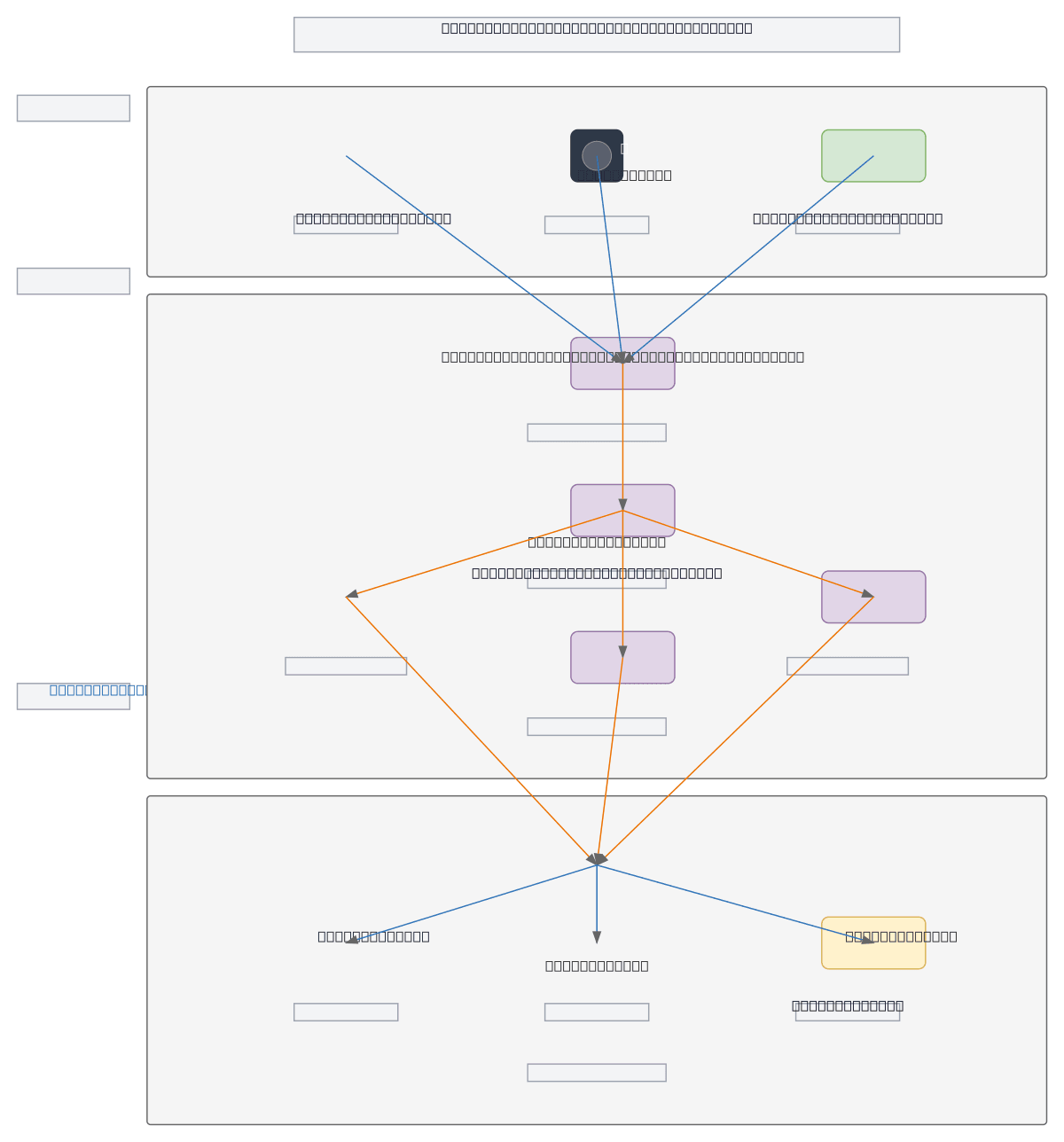
AI-powered predictive traffic system combining live camera streams, recorded video archives, and YOLO/OpenCV vehicle detection to forecast congestion levels and optimize signal timing. Input feeds flow through vehicle detection, tracking, and density analysis modules that classify traffic as low, medium, or high and calculate adaptive signal timings. This architecture demonstrates end-to-end computer vision pipeline design for smart city applications, reducing congestion and improving traffic flow efficiency. Fork and customize this diagram on Diagrams.so to adapt detection models, add real-time data sources, or integrate with traffic management systems. The modular three-layer design allows independent scaling of detection, analysis, and visualization components.

People also ask

How do AI-powered traffic systems use computer vision to predict congestion and optimize signal timing?

This architecture ingests live camera streams and recorded video through YOLO/OpenCV vehicle detection, then tracks vehicles and analyzes traffic density to classify congestion levels and calculate optimal signal timings. The processed predictions feed a web dashboard displaying vehicle counts, traffic status, and signal timing recommendations for real-time traffic management.

machine-learningcomputer-visiontraffic-managementYOLOOpenCVsmart-city
Domain:
Ml Pipeline
Audience:
ML engineers and computer vision specialists building real-time traffic prediction systems

Generated by Diagrams.so — AI architecture diagram generator with native Draw.io output. Fork this diagram, remix it, or download as .drawio, PNG, or SVG.

Generate your own architecture diagram →

About This Architecture

AI-powered predictive traffic system combining live camera streams, recorded video archives, and YOLO/OpenCV vehicle detection to forecast congestion levels and optimize signal timing. Input feeds flow through vehicle detection, tracking, and density analysis modules that classify traffic as low, medium, or high and calculate adaptive signal timings. This architecture demonstrates end-to-end computer vision pipeline design for smart city applications, reducing congestion and improving traffic flow efficiency. Fork and customize this diagram on Diagrams.so to adapt detection models, add real-time data sources, or integrate with traffic management systems. The modular three-layer design allows independent scaling of detection, analysis, and visualization components.

People also ask

How do AI-powered traffic systems use computer vision to predict congestion and optimize signal timing?

This architecture ingests live camera streams and recorded video through YOLO/OpenCV vehicle detection, then tracks vehicles and analyzes traffic density to classify congestion levels and calculate optimal signal timings. The processed predictions feed a web dashboard displaying vehicle counts, traffic status, and signal timing recommendations for real-time traffic management.

AI Predictive Traffic System Architecture

Autoadvancedmachine-learningcomputer-visiontraffic-managementYOLOOpenCVsmart-city
Domain: Ml PipelineAudience: ML engineers and computer vision specialists building real-time traffic prediction systems
0 views0 favoritesPublic

Created by

April 14, 2026

Updated

April 14, 2026 at 2:44 PM

Type

architecture

Need a custom architecture diagram?

Describe your architecture in plain English and get a production-ready Draw.io diagram in seconds. Works for AWS, Azure, GCP, Kubernetes, and more.

Generate with AI