AI Agent Platform Architecture

GENERALArchitectureadvanced
AI Agent Platform Architecture — GENERAL architecture diagram

About This Architecture

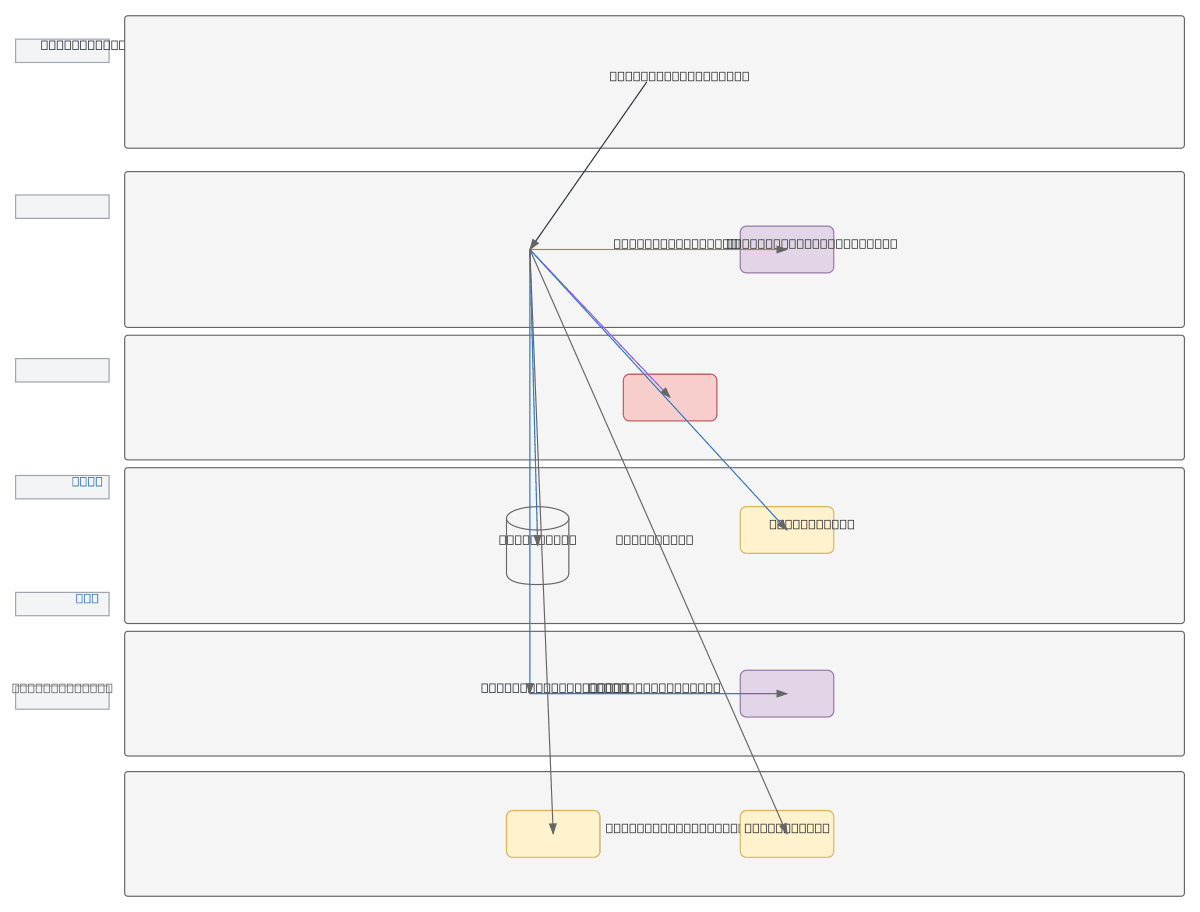
AI Agent Platform Architecture integrates Next.js frontend, NestJS backend, and LangGraph orchestrator to coordinate intelligent agent workflows. The NestJS backend routes requests through Keycloak authentication, manages state in PostgreSQL and Redis, and delegates AI reasoning to a FastAPI RAG Service backed by a vector database. Langfuse and Elastic APM provide observability across the entire stack, enabling teams to monitor agent performance, latency, and error rates in production. This layered design separates concerns—presentation, application logic, authentication, data persistence, and AI reasoning—making it easy to scale individual components independently. Fork this diagram on Diagrams.so to customize it for your LLM application, add additional services, or export as .drawio for documentation.

People also ask

How do I architect a production AI agent platform with LangGraph orchestration and RAG?

This diagram shows a layered architecture where Next.js handles the frontend, NestJS backend routes requests through Keycloak authentication to LangGraph for agent orchestration, and a FastAPI RAG Service with vector database handles semantic search. PostgreSQL and Redis provide persistence and caching, while Langfuse and Elastic APM monitor performance and errors across all layers.

AI agentsLangGraphNestJSmicroservicesRAGobservability
Domain:
Software Architecture
Audience:
Full-stack engineers building AI agent platforms with LangGraph and microservices

Generated by Diagrams.so — AI architecture diagram generator with native Draw.io output. Fork this diagram, remix it, or download as .drawio, PNG, or SVG.

Generate your own architecture diagram →

About This Architecture

AI Agent Platform Architecture integrates Next.js frontend, NestJS backend, and LangGraph orchestrator to coordinate intelligent agent workflows. The NestJS backend routes requests through Keycloak authentication, manages state in PostgreSQL and Redis, and delegates AI reasoning to a FastAPI RAG Service backed by a vector database. Langfuse and Elastic APM provide observability across the entire stack, enabling teams to monitor agent performance, latency, and error rates in production. This layered design separates concerns—presentation, application logic, authentication, data persistence, and AI reasoning—making it easy to scale individual components independently. Fork this diagram on Diagrams.so to customize it for your LLM application, add additional services, or export as .drawio for documentation.

People also ask

How do I architect a production AI agent platform with LangGraph orchestration and RAG?

This diagram shows a layered architecture where Next.js handles the frontend, NestJS backend routes requests through Keycloak authentication to LangGraph for agent orchestration, and a FastAPI RAG Service with vector database handles semantic search. PostgreSQL and Redis provide persistence and caching, while Langfuse and Elastic APM monitor performance and errors across all layers.

AI Agent Platform Architecture

AutoadvancedAI agentsLangGraphNestJSmicroservicesRAGobservability
Domain: Software ArchitectureAudience: Full-stack engineers building AI agent platforms with LangGraph and microservices
0 views0 favoritesPublic

Created by

April 21, 2026

Updated

April 21, 2026 at 10:13 PM

Type

architecture

Need a custom architecture diagram?

Describe your architecture in plain English and get a production-ready Draw.io diagram in seconds. Works for AWS, Azure, GCP, Kubernetes, and more.

Generate with AI